
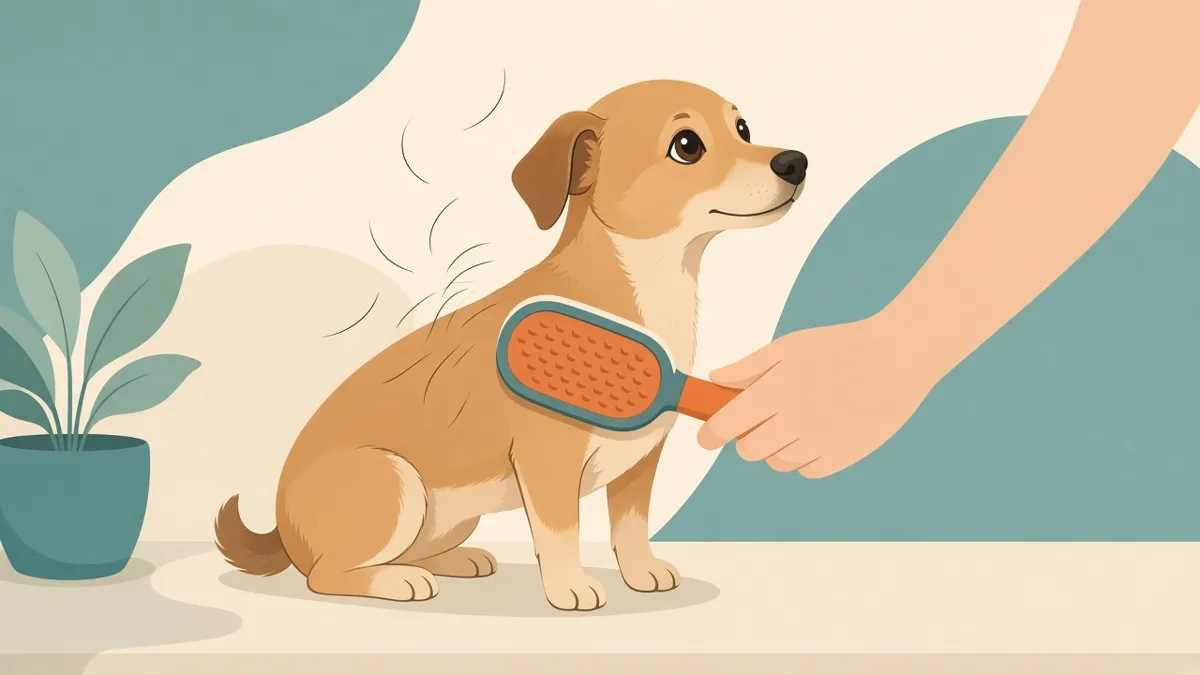
Short coats usually need a gentle, easy-to-use brush more than a heavy deshedder. A soft rubber brush is a gentle everyday option, while a metal deshedding tool targets loose hair and needs a light touch.
This page contains affiliate links. We earn a commission if you buy through links on this page, at no extra cost to you. As an Amazon Associate I earn from qualifying purchases.
Quick pick
- Gentle, everyday: the KONG ZoomGroom, a rubber brush.
- Loose-hair tool: the MIU COLOR deshedding tool, a metal-toothed deshedding comb.
- Not sure? Start with the gentler rubber style, use it lightly, and stop if your dog dislikes it. See the shortlist for caveats.
Comparison
We have not verified product-level specifications for these two listings (sizes, dimensions or materials), so this table compares the two tool types and what to check on each Amazon page.
| Feature | MIU COLOR deshedding tool | KONG ZoomGroom |
|---|---|---|
| Tool type | Metal-toothed deshedding tool with a handle | Rubber curry-style grooming and massage brush |
| Aimed at | Removing loose undercoat hair | Gentle brushing and bath-time use |
| Intensity | Firmer, so use lightly | Gentler, a massage-style tool |
| Check on the listing | Blade width, which pets it is intended for, how to clean it | Size options, whether it is for dogs or cats, cleaning notes |
Simple shortlist
MIU COLOR Pet Grooming Brush (deshedding tool)
A deshedding tool with a handle, aimed at removing loose hair.
Caveat: A metal-toothed tool is less gentle than a rubber brush and should be used lightly. We have not verified the blade size or materials, so check that the listing suits your dog's size.
KONG ZoomGroom Dog Grooming and Massage Brush
A soft rubber brush that can be used dry or at bath time.
Caveat: Rubber brushes can hold hair between the nubs, so expect to rinse or pick them clean. We have not verified the size options, so check the Amazon page.
Pros and cons of each style
Pros
- Rubber brush: gentle, simple, and can double as a bath tool
- Deshedding tool: designed to pick up loose hair quickly
- Both are small, hand-held tools that are easy to keep by the door
Cons
- Rubber brush: hair clings to the nubs and needs cleaning
- Deshedding tool: easy to overdo, and not right for sensitive skin or dogs that dislike firm tools
- Neither replaces regular coat checks for lumps, parasites or irritated skin
What to look for
- A brush style that suits short coats.
- A comfortable grip for quick daily use.
- Easy cleanup after brushing.
- A gentler design if your dog dislikes grooming.
What to avoid
- Tools that are too harsh for sensitive skin.
- Buying a long-coat brush for a short-coated dog.
- Only brushing when shedding gets extreme.
- A tool that is awkward enough that you avoid using it.
How to brush a short-coated dog
- Brush in the direction the coat grows, using light, steady strokes.
- Keep sessions short and pair them with praise or treats, especially with puppies.
- Avoid pressing hard over bony areas such as the spine and hips.
- Use the opportunity to look for skin changes, lumps or fleas, and mention anything unusual to your vet.
- Clean the brush after use so it is ready next time.
For a wriggly dog, a short supervised session with a lick mat can help keep things calm. See our lick mat guide.
A grooming session is also a good time to look at your dog's paws and nails. Our nail clippers and grinders guide compares tools for small dogs.
Simple buying tip
Choose the brush that you will actually use every week. Simple tools usually win because consistency matters more than complexity.
Frequently asked questions
How often should I brush a short-haired dog?
Many owners brush once or twice a week, and more often during heavy shedding. Your groomer or vet can suggest a schedule for your dog.
Can I use a deshedding tool every day?
Firm tools can irritate skin if overused. Follow the product directions and ask your groomer if you are unsure.
How we choose
For brushes we looked at the tool type, how firm it is likely to be, ease of cleaning and whether it suits a short coat. Because we have not verified product-level specifications for these two listings, the guide describes the tool styles and what to check on the Amazon page.
This guide is research-based. We have not hands-on tested these products. We compare manufacturer and listing specifications and general guidance, and any pros, cons and picks are the Small Paw Guide editorial team's own assessment, not test results. We do not show prices or customer feedback, so check the current listing before you buy. See how we work and our affiliate disclosure. The review date for this guide is shown under its title.
Final thought
The best short-hair brush is usually the one that feels easy enough to keep by the door or in the bathroom and use often.
Keep reading
- Best Dog Shampoos for Itchy Skin in Australia: Bathing and sensitive-skin basics.
- Best Calming Products for Anxious Dogs: Fireworks Night Plan: Ideas for dogs that dislike grooming.
- Best Dog Beds for Small Dogs in Australia: Washable beds help with shedding.
- Puppy Essentials Checklist Australia: What to Buy First: Grooming tools on the new-puppy list.
- Best Lick Mats and Enrichment for Small Dogs in Australia: A lick mat to keep a wriggly dog busy during grooming.
- Best Nail Clippers and Grinders for Small Dogs in Australia: Clippers and grinders for the paw-care step of a grooming routine.
More in this topic: care and grooming guides, or browse all guides.